
Introduction to Graha Chikitsa
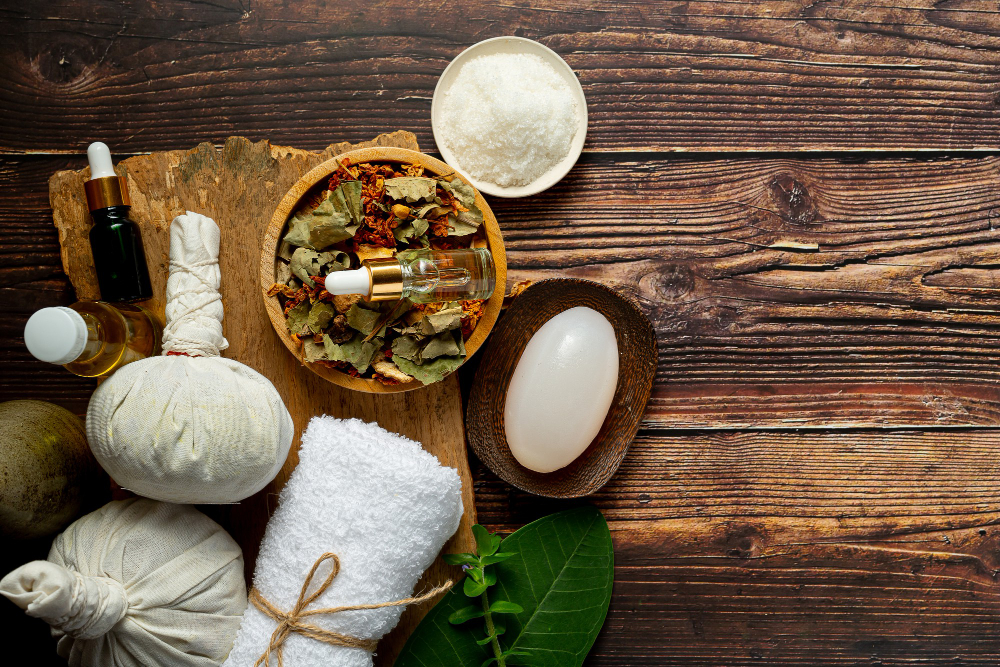
Graha Chikitsa in Ayurveda is an ancient branch focused on mental wellness. It offers natural ways to support mental health. Today, many people look for holistic solutions. Therefore, Ayurveda for mental wellness is gaining attention. Graha Chikitsa treatment uses herbs, therapies, and lifestyle changes. This approach aims to balance the mind and body. As a result, it helps manage stress and emotional issues. Many people find these methods gentle and effective.
Historical Background
Ayurveda is one of the oldest healing systems in the world. Its roots go back over 3,000 years in India. Graha Chikitsa, also called Bhuta Vidya, is one of Ayurveda’s eight main branches. In ancient texts, healers used Graha Chikitsa to treat mental disorders. They believed that both physical and mental health are linked. Over time, these ideas shaped how Ayurveda views mental wellness today. According to the World Health Organization, mental health is key to overall well-being. Ayurveda recognized this long ago.
Key Concepts and Principles
Graha Chikitsa in Ayurveda is based on several core ideas. First, it sees the mind and body as connected. Second, it believes that mental health depends on balance. This balance involves three energies called doshas: Vata, Pitta, and Kapha. When these doshas are out of balance, mental issues may arise. Additionally, Ayurveda teaches that thoughts, diet, and lifestyle affect the mind. For example, negative emotions or unhealthy food can disturb mental peace. Therefore, Graha Chikitsa aims to restore harmony using natural methods.
Common Mental Health Issues Addressed
Graha Chikitsa treatment covers a wide range of mental health concerns. Some common issues include:
Because Ayurveda for mental wellness looks at the whole person, it can help with both mild and severe symptoms. Many people use these methods alongside modern care for better results.
Ayurvedic Diagnostic Methods
Ayurvedic doctors use special ways to find the root cause of mental issues. First, they ask about your feelings, habits, and daily life. Next, they check your pulse, tongue, and eyes. These signs help them understand your dosha balance. Sometimes, they also look at your sleep and digestion. By doing this, they get a full picture of your health. As a result, they can suggest the best Graha Chikitsa treatment for you.
Treatment Approaches in Graha Chikitsa
Graha Chikitsa in Ayurveda uses many gentle methods to support mental wellness. These include:
Because each person is unique, treatments are tailored to individual needs. This personalized care is a key part of the Ayurvedic approach to mental disorders.
Prevention and Daily Practices
Ayurveda believes that daily habits play a big role in mental health. Therefore, it offers simple tips for prevention:
By following these steps, you can support your mind and body every day. Even small changes can make a big difference over time.
Conclusion
In summary, Graha Chikitsa in Ayurveda offers a natural way to care for your mind. It combines herbs, therapies, and lifestyle advice for lasting mental wellness. Because this approach is gentle and holistic, many people find it helpful. However, always consult a qualified Ayurvedic practitioner Dr Dilip for personalized mental wellness guidance.